7 hours ago
Murcia, Spain: Europe's Under-the-Radar Queer Haven Blending Beaches, History, and Hidden Inclusivity
READ TIME: 3 MIN.
In the sun-drenched southeast of Spain, the Region of Murcia stands out as an understated destination for LGBTQ+ travelers. Far from the crowded pride circuits of Barcelona or Sitges, this area combines Mediterranean beaches, Renaissance architecture, and a burgeoning queer community that feels refreshingly local and intimate. Queer travel blogs highlight Murcia as one of 20 European hidden gems for curious gay explorers, praising its blend of natural beauty and inclusive vibes without the tourist overload. Unlike mega-hubs like Berlin or Amsterdam, Murcia's appeal lies in its emerging status—ranked among top LGBTQ+-friendly spots in Spain by travel indices, yet rarely topping mainstream lists.
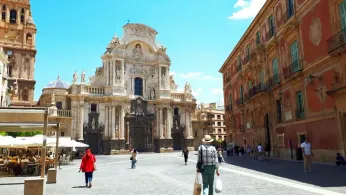
Murcia's capital city, also named Murcia, serves as the cultural heart. The old town's labyrinthine streets around the Baroque Murcia Cathedral buzz with tapas bars and markets where locals sip thick hot chocolate alongside churros. For queer visitors, the real draw is the subtle openness: same-sex couples stroll hand-in-hand along the Segura River without drawing stares, a rarity in more conservative parts of inland Spain. The region's progressive leanings stem from Spain's nationwide legalization of same-sex marriage in 2005, fostering pockets of acceptance that have quietly expanded here.
What sets Murcia apart for queer travelers is its year-round authenticity. Spring brings the Semana Santa processions—solemn parades of hooded penitents carrying ornate floats through flower-strewn streets—offering a culturally immersive experience that's welcoming to all. Nearby, the Mar Menor lagoon, Europe's largest saltwater lagoon, beckons with calm, shallow waters ideal for relaxed beach days. Queer-friendly beaches like Calblanque, with nude-optional sections, provide secluded spots amid pine forests and turquoise coves, perfect for couples or solo adventurers. Local insight from travel writers notes that while not overtly marketed as gay beaches, these areas attract diverse crowds in a judgment-free atmosphere.
Murcia's queer community thrives in low-key venues that prioritize connection over spectacle. The city hosts an annual Pride festival in June, drawing large crowds for its community-focussed events. Unlike massive events elsewhere, Murcia Pride feels intimate, with locals and visitors mingling at pop-up bars serving regional wines from Jumilla vineyards. Puglia's nearby gay guide mentions similar regional saunas, but Murcia's stand out for their affordability and local flavor. For lesbians and queer women, the scene echoes smaller European nodes like Gazi in Athens: casual cafes by day morph into dance spots by night. Nonbinary travelers appreciate the city's gender-neutral facilities in newer spots, including public restrooms at the modern Victor Villegas Auditorium, which hosts queer film screenings.
Daytime explorations reveal cultural richness. Hike to the Lorca Castle, a Moorish fortress overlooking vineyards, or wander the Real Casino de Murcia—a 19th-century social club with opulent Moorish halls, now open to all, where queer history buffs can trace threads of hidden same-sex networks from the era. Foodies rave about Murcia's huerta gardens, yielding fresh produce for dishes like zarangollo , often enjoyed at communal tables where conversations flow freely. Travel experts position Spain highly on the 2025 Gay Travel Index for protections, with Murcia exemplifying safe, everyday inclusivity.
Emerging as a hidden gem, Murcia benefits from proximity to Alicante Airport , making it accessible yet undiscovered. Queer tour operators are eyeing it for bespoke itineraries, pairing wine tastings with sunset cruises on the Mar Menor. Local hosts via platforms like Airbnb often share insider maps to inclusive businesses, echoing Mallorca's just-for-us resources but on a quieter scale.
Community voices emphasize empowerment. A queer expat blogger describes Murcia as "where you can be visibly affectionate without the performance of Pride, "highlighting municipal pools and thermal spas as sober socializing hubs—much like Reykjavik's but warmer year-round. Transgender travelers note easy access to affirming healthcare via Spain's public system, with Murcia's university hospital praised for hormone therapy services.
For couples, romantic escapes abound: paddleboard on the Mar Menor at dawn or picnic amid almond blossoms in February. Solo queer women find safety akin to Iceland, with walking tours led by local groups exploring huerta trails. Families with LGBTQ+ kids enjoy the BioPark, a zoo with interactive exhibits on Mediterranean ecosystems, in a region scoring top marks for protections.
Getting there is straightforward: high-speed AVE trains from Madrid or flights to Murcia International Airport. Stay at boutique hotels like the queer-friendly Silken Saten in the historic center, with rooftop pools overlooking the cathedral. Budget €100-150/night for doubles; eat affordably at meson spots . Best times: spring for blooms, summer for beaches , fall for festivals.
Looking ahead, Murcia's queer scene is poised for growth. Plans for a dedicated LGBTQ+ cultural center near the riverfront signal investment in visibility. As Europe’s Gay Travel Index leaders like Spain evolve, Murcia positions itself as the next must-visit—welcoming, culturally deep, and perfectly under-the-radar.